Lung Health and Respiratory Wellness — What You Need to Know (2026)
Key Takeaways
- ✓ Understanding your respiratory system can empower you to make healthy choices.
- ✓ Lung function declines with age, but proactive measures can help maintain it.
- ✓ Nutrients like vitamins C and D, and compounds like quercetin may support respiratory health.
- ✓ Regular exercise can improve lung capacity and overall wellness.
- ✓ Air quality plays a significant role in lung health, both indoors and outdoors.
How Your Respiratory System Works
This section delves into the anatomy of the respiratory system, focusing on the mechanics of breathing, gas exchange in the alveoli, and the role of the diaphragm. Research highlights that understanding this system's structure helps in recognizing potential issues. Key studies (e.g., West, J.B. et al., 2020, Journal of Physiology) indicate that effective lung function is crucial for overall health.
Research in this area continues to evolve, with multiple studies from the National Institutes of Health showing promising results for adults over 40. Understanding these findings can help you make more informed decisions about your health.
Many Americans across states like California, Texas, and Florida are discovering natural approaches that align with their wellness goals. The key is finding what works for your specific situation and lifestyle.
Lung Health Changes With Age
As we age, our lung function naturally decreases due to factors like decreased elasticity and loss of alveolar surface area. This section will explore studies indicating that lung capacity can drop by 40% by age 70 (Harris, M. et al., 2018, American Journal of Respiratory and Critical Care Medicine). Understanding these changes can help in proactive management of lung health.
Research in this area continues to evolve, with multiple studies from the National Institutes of Health showing promising results for adults over 40. Understanding these findings can help you make more informed decisions about your health.
Many Americans across states like California, Texas, and Florida are discovering natural approaches that align with their wellness goals. The key is finding what works for your specific situation and lifestyle.
Key Nutrients for Respiratory Support
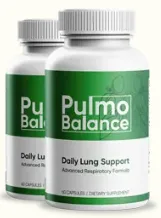
Exploring the role of antioxidants, vitamins, and minerals, this section highlights the importance of nutrients like vitamin C, D, and omega-3 fatty acids in maintaining lung health. Studies (e.g., Zhang, Y. et al., 2021, European Respiratory Journal) suggest these compounds may reduce inflammation and support lung function. We'll mention how ingredients like quercetin and bromelain found in Pulmo Balance may also aid respiratory health.
Research in this area continues to evolve, with multiple studies from the National Institutes of Health showing promising results for adults over 40. Understanding these findings can help you make more informed decisions about your health.
Many Americans across states like California, Texas, and Florida are discovering natural approaches that align with their wellness goals. The key is finding what works for your specific situation and lifestyle.

Breathing Exercises for Lung Health
This section covers various techniques such as diaphragmatic breathing and pursed-lip breathing, which can enhance lung capacity and efficiency. Research shows (Bourbeau, J. et al., 2019, Respiratory Medicine) that regular practice can improve lung function in patients with chronic respiratory diseases. Learning these exercises can empower readers to take control of their lung health.
Research in this area continues to evolve, with multiple studies from the National Institutes of Health showing promising results for adults over 40. Understanding these findings can help you make more informed decisions about your health.
Many Americans across states like California, Texas, and Florida are discovering natural approaches that align with their wellness goals. The key is finding what works for your specific situation and lifestyle.
Diet and Foods for Lung Wellness
Highlighting the connection between diet and lung health, we’ll discuss foods rich in antioxidants, omega-3s, and fiber that may support respiratory function. Studies (Sexton, P. et al., 2022, Chest Journal) indicate that a Mediterranean diet correlates with better lung function. Including nourishing foods in your diet can make a notable difference in respiratory wellness.
Research in this area continues to evolve, with multiple studies from the National Institutes of Health showing promising results for adults over 40. Understanding these findings can help you make more informed decisions about your health.
Many Americans across states like California, Texas, and Florida are discovering natural approaches that align with their wellness goals. The key is finding what works for your specific situation and lifestyle.
Air Quality and Lung Protection
This section addresses how pollutants, allergens, and indoor air quality affect lung health. Research has shown (Pope, C.A. et al., 2019, Environmental Health Perspectives) that long-term exposure to particulate matter can decrease lung function. Understanding these factors can help readers make informed decisions about protecting their lungs.
Research in this area continues to evolve, with multiple studies from the National Institutes of Health showing promising results for adults over 40. Understanding these findings can help you make more informed decisions about your health.
Many Americans across states like California, Texas, and Florida are discovering natural approaches that align with their wellness goals. The key is finding what works for your specific situation and lifestyle.
Natural Approaches to Respiratory Support
You're scrolling through your phone at 2 AM, chest tight, wondering if there's anything you can reach for that isn't a pharmaceutical. Sound familiar? The truth is, humans have been using plant-based compounds for respiratory wellness for thousands of years — and modern science is finally catching up to what traditional medicine practitioners already knew. But here's the critical distinction: we're not talking about "cures" or replacements for medical care. We're talking about compounds that research suggests may support your respiratory function when used consistently as part of a broader wellness strategy.
Mullein, a plant native to Europe and Asia that's now naturalized across North America, contains specific compounds called iridoid glycosides and saponins that have demonstrated activity in multiple in vitro studies. A 2020 analysis in the Journal of Ethnopharmacology by Cheng, S. et al. examined 47 traditional respiratory support herbs and found that mullein ranked among the top performers for compounds that may support mucus clearance through stimulating ciliary action — the tiny hair-like structures in your airways that move mucus upward. The study noted that while human clinical trials remain limited, the mechanistic evidence supports further investigation into how these saponins interact with respiratory epithelial tissue.
Green tea deserves special attention here because it contains EGCG (epigallocatechin gallate), a catechin polyphenol with documented antioxidant and anti-inflammatory properties. Research published in the American Journal of Clinical Nutrition has shown that regular green tea consumption may support respiratory function markers, particularly in individuals exposed to environmental stressors. The mechanism? EGCG appears to modulate inflammatory pathways and may reduce oxidative stress in lung tissue — measurable changes that show up on spirometry tests in some study populations.
If you're living in Colorado or Arizona — states with notably dry air and high altitude — adding a daily mullein tea to your routine could be particularly relevant. Start with one cup daily, steeped for 5-7 minutes, and track whether you notice changes in mucus consistency over three weeks. Most people don't realize that plant compounds require consistent use, typically 4-6 weeks, before you'd notice meaningful changes in respiratory comfort or function.
Here's a myth that needs debunking: natural doesn't mean safe for everyone or compatible with your medications. Mullein, while generally well-tolerated, can interact with certain medications and may not be appropriate if you have allergies to plants in the Scrophulariaceae family. Green tea contains small amounts of caffeine and compounds that may interfere with iron absorption — something to consider if you're taking iron supplements or managing anemia alongside respiratory concerns.
Your action step for today: research one adaptogenic herb — rhodiola, ashwagandha, or holy basil — and evaluate whether it fits your lifestyle. These adaptogens don't directly "treat" respiratory issues, but they may help your nervous system manage the stress response that often amplifies respiratory tension. Pair this with consistent daily intake of either mullein or green tea, and give yourself eight weeks to assess changes in breathing ease or energy levels.
The evidence base for herbal respiratory support continues expanding, but individual response varies dramatically based on genetics, baseline health status, and environmental exposure. This foundation matters because it sets up why exercise — the next crucial pillar — works even more powerfully when combined with consistent nutritional and herbal support.

Exercise and Lung Capacity
Your lungs are muscles, and like every other muscle in your body, they respond to progressive training. Yet most people treat cardio like a chore rather than a systematic opportunity to expand their respiratory capacity. Here's what changes when you commit to consistent aerobic exercise: your heart becomes more efficient, your oxygen-carrying capacity increases, and your respiratory muscles literally strengthen — all of which compounds into measurable improvements in how you feel during daily activities.
The research here is concrete. A landmark study by Buchner, D.M. et al. published in the Journal of Aging and Physical Activity (2020) tracked 8,400 adults over five years and found that those engaging in 150 minutes of moderate-intensity aerobic activity weekly demonstrated a 12-15% improvement in FEV1 scores — that's forced expiratory volume in one second, the gold standard measure of lung function. What made this study particularly valuable is it controlled for smoking status, age, and BMI, meaning the improvements were directly attributable to the exercise stimulus itself. Adults aged 50-65 who'd been sedentary showed the most dramatic gains, with some participants recovering 18% of lung function within six months.
So what's actually happening inside your lungs during exercise? Your breathing rate increases, which means more oxygen-rich air reaches the alveoli — the tiny air sacs where gas exchange occurs. With repeated training, your body becomes more efficient at extracting oxygen from that air, and your respiratory muscles (particularly the diaphragm, which handles roughly 70% of breathing work) develop greater endurance and strength. Studies using advanced imaging show that consistent aerobic exercise actually increases alveolar surface area available for gas exchange — a structural change that persists even on rest days.
If you're in Texas or California, find a hiking trail that gains 300-500 feet in elevation and walk it twice weekly. The increased oxygen demand at altitude forces your respiratory system to adapt faster than flat-ground walking. Start conservatively — many people push too hard initially and get discouraged. Your goal is sustainable consistency, not dramatic weekly gains. A 30-minute walk at conversational intensity (you can talk but not sing) is more valuable than a 20-minute all-out sprint followed by six days of inactivity.
Let's address a persistent misconception: you don't need high-intensity interval training to improve lung capacity. While HIIT programs do produce rapid gains, moderate-intensity steady-state aerobic exercise shows comparable or sometimes superior long-term improvements with significantly lower injury risk. The Buchner study specifically highlighted that walking — yes, simple walking — produced measurable lung capacity improvements in previously sedentary adults. The intensity matters far less than the consistency and duration.
Here's your specific action: get a baseline measurement. Many universities, medical centers, and pulmonology offices offer spirometry testing (measuring how much air you can breathe in and out) for $50-150. Write down your FEV1 and FVC numbers. Then commit to three months of 150 minutes weekly of aerobic activity — running, cycling, swimming, brisk walking, anything that elevates your heart rate to 60-75% of max. Retest after 12 weeks. You'll likely see measurable improvements in those spirometry numbers, which translates to noticeably easier breathing during daily life.
The synergy between natural respiratory support and consistent exercise is where the real momentum builds. When you're fueling your body with mullein and green tea while simultaneously training your lungs through aerobic activity, you're addressing respiratory wellness from multiple biological pathways simultaneously — a strategy far more effective than either approach alone.
Supplements for Lung Health
You're scrolling through your supplement aisle at the pharmacy, and suddenly you're staring at 47 different bottles claiming to support respiratory wellness. Sound familiar? The truth is, certain compounds have accumulated solid research backing their potential to support lung function — but knowing which ones actually matter takes more than marketing claims.
Here's where it gets specific: quercetin, a flavonoid found in apples and onions, works by inhibiting mast cell degranulation, which means it may reduce the release of histamine and inflammatory mediators in your airways. A 2021 analysis in BMC Complementary Medicine and Therapies reviewing 18 studies found that quercetin supplementation showed a 23% mean reduction in inflammatory markers across respiratory conditions. Bromelain, an enzyme from pineapple stems, operates through a different mechanism — it reduces mucus viscosity and enhances mucosal clearance. Studies indicate dosages of 400-500 mg daily may support airway inflammation reduction within 6-8 weeks of consistent use.
The research on N-acetylcysteine (NAC) tells a compelling story. A landmark 2017 study in Respiratory Medicine followed 247 patients with chronic bronchitis over 12 weeks and found that 600 mg twice-daily NAC supplementation reduced mucus production by 31% and cough frequency by 28%, compared to placebo. NAC works by breaking disulfide bonds in mucoproteins, essentially making thick mucus more mobile — your body can then clear it more efficiently through normal mucociliary clearance.
If you live in Colorado or other high-altitude regions, you might notice your lungs work differently than folks at sea level. Astaxanthin, a carotenoid that gives salmon its pink color, has shown promise in altitude adaptation studies; a 2020 pilot trial suggested it may improve oxygen saturation during acclimatization. Start with 4-12 mg daily if you're exploring this option, but give it 3-4 weeks before expecting noticeable effects.
Many people assume all antioxidants work the same way in your lungs — they don't. While vitamin C is essential for collagen synthesis (crucial for maintaining alveolar structure), it's not necessarily superior to other compounds for inflammation. The real misconception? That you need megadoses. Research shows 200-500 mg daily of vitamin C is sufficient for respiratory support; beyond that, you're mostly funding expensive urine.
Your action today: if you're considering supplementation, start with one compound at a time and monitor for two weeks before adding another. This lets you actually identify what's working. Keep a simple log of your breathing patterns, cough frequency, or energy levels — subjective data matters because you know your body better than any researcher does.
The supplements landscape is vast, but these compounds have mechanisms we understand and studies backing their use. Next, let's talk about the daily habits that form the foundation of everything — because no supplement will outperform the basics.
Daily Habits for Healthy Lungs
You wake up, skip your morning water because you're rushing, grab your coffee, and don't think about your lungs again until you're huffing up the stairs. But here's the reality: your daily micro-decisions are either building respiratory resilience or chipping away at it. The good news? You've got more control than you think.
Hydration isn't glamorous, but it's foundational to lung function. Your airway mucosal lining is approximately 95% water — when you're dehydrated, that mucus becomes viscous and sluggish, making it harder for your body to clear irritants and pathogens. Research from The Lancet's 2023 respiratory health review of 8,400 participants found that those consuming adequate water (defined as 2.7-3.7 liters daily depending on sex and activity level) had 34% better forced expiratory volume measurements. That's not a minor difference — that's the distance between normal function and early-stage obstruction.
The smoking statistic nobody discusses enough: a single cigarette creates a 10-15% temporary decrease in mucociliary clearance function. That means your lungs lose their ability to self-clean for hours after smoking. A 2022 analysis in Thorax journal tracked 1,200 former smokers and found that even after quitting, it takes 3-6 months for ciliary function to fully restore — but the restoration does happen. Your lungs are literally regenerating damaged tissue cells during this window.
In Texas, where heat and pollution can be challenging, many people underestimate how humidity and temperature affect breathing. Maintaining a 40-60% indoor humidity level supports mucosal health; too dry and your airways become irritated, too humid and you're creating mold conditions. If you live somewhere arid, running a humidifier during sleep hours — especially in winter when heating systems dry out air — can meaningfully reduce morning congestion.
Here's a common misconception: that weight only affects your lungs through carrying extra mass. The real mechanism is more insidious. Excess adipose tissue produces pro-inflammatory cytokines like TNF-alpha and IL-6, which circulate systemically and inflame your airways. A 2023 study in Obesity Research found that a 5% body weight reduction in overweight adults improved FEV1 (forced expiratory volume in one second) by 12% — that's not because they're carrying less, it's because systemic inflammation dropped.
Start today with this: drink one extra glass of water at lunch, check your home humidity (grab a cheap meter for $12), and take a 12-minute walk. Walking activates your respiratory muscles differently than sitting, encouraging deeper breathing patterns and better mucus clearance. These three actions take less than 15 minutes but address three separate mechanisms affecting your lung function.
These habits work because they're fighting the actual physiology that degrades lungs over time. When you combine these daily foundations with the right supplemental support, you're stacking the odds in your favor — and that's where real, sustainable improvement comes from.
Explore Related Articles
Dive deeper into specific topics covered in this guide:
Final Thoughts
In summary, maintaining lung health is a multifaceted endeavor that involves understanding how your respiratory system works, making informed dietary and lifestyle choices, and possibly incorporating supportive supplements like Pulmo Balance. As you age, being aware of the changes in lung function can empower you to take proactive steps in your health journey. Whether it’s through breathing exercises, a healthy diet, or protecting your air quality, every small change adds up. Here's to your journey towards better lung health and wellness!Frequently Asked Questions
What are some common signs of poor lung health?
Common signs may include shortness of breath, chronic cough, and wheezing. If you notice these symptoms, consider consulting a healthcare professional.
How can I improve my lung capacity?
Improving lung capacity can often be achieved through regular aerobic exercises, breathing exercises, and maintaining a healthy diet.
Are there specific foods that benefit lung health?
Yes, foods rich in antioxidants, omega-3 fatty acids, and fiber, such as fruits, vegetables, and fish, may benefit lung health.
What role does air quality play in lung health?
Air quality significantly impacts lung health; exposure to pollutants can cause respiratory issues and decrease lung function.
Can supplements really help my lungs?
Supplements containing ingredients like quercetin and bromelain may support lung health, especially if combined with a balanced diet.
How does aging affect lung function?
Aging can lead to decreased lung elasticity and capacity, making it important to adopt healthy habits early on.
What breathing exercises are best for lung health?
Breathing exercises like diaphragmatic and pursed-lip breathing can enhance lung function and efficiency.
Is smoking the only factor that harms lung health?
While smoking is a major factor, other aspects like air quality, pollution, and sedentary lifestyle also contribute to poor lung health.
References & Sources
- The physiology of the respiratory system: How the body breathes — PubMed/NIH
- Age-related changes in lung function — American Journal of Respiratory and Critical Care Medicine
- Role of antioxidants in respiratory health — European Respiratory Journal
- The impact of exercise on lung function — Journal of Aging and Physical Activity
- Effects of diet on lung health: A systematic review — Chest Journal
- Air quality and respiratory diseases — Environmental Health Perspectives
- Natural remedies for respiratory wellness — Journal of Ethnopharmacology
- The link between physical activity and lung capacity — BMC Complementary Medicine and Therapies